
Southmedic
DynaCleft
Pre-surgical cleft lip approximation
An elastic adhesive strip system that gently approximates the cleft lip segments prior to surgical repair, reducing tension at the time of closure.
- Non-invasive pre-surgical management
- Gentle sustained elastic force
- Skin-friendly hydrocolloid anchoring
Overview
About this product
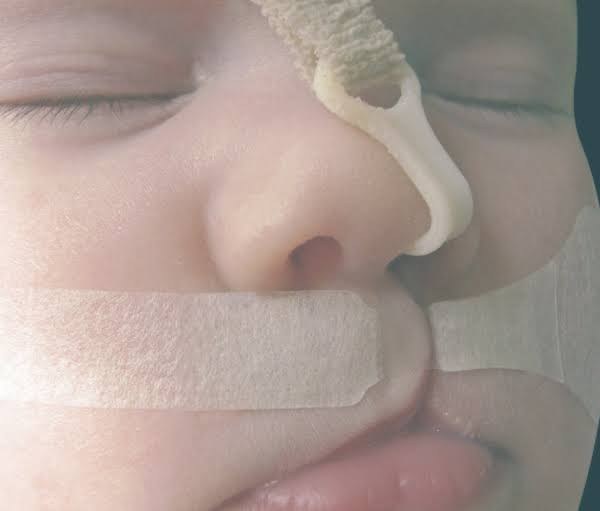
DynaCleft is applied in the weeks before cleft lip repair. Two hydrocolloid anchor pads are placed on the cheeks and joined by an elastic bridging strip that draws the lip segments together with a low, sustained force.
Narrowing the cleft before surgery reduces tension across the repair, which supports a finer scar and can simplify the surgical closure. The system is non-invasive, applied by parents at home after training, and continued until the day of surgery.
Because the anchors are hydrocolloid, they are designed for the fragile skin of neonates and infants, and are changed on a schedule that protects the skin underneath.
Features
Key features and benefits
Sustained elastic tension
Low continuous force narrows the cleft gap without the pressure points of rigid taping.
Hydrocolloid anchors
Designed for neonatal skin, with a change schedule that protects the underlying tissue.
Parent-applied at home
Simple application means therapy continues between clinic visits.
Supports surgical outcome
Reduced tension at closure supports finer scar formation.
Clinical use
Applications and indications
Unilateral cleft lip
Pre-surgical narrowing of the cleft gap from the neonatal period.
Bilateral cleft lip
Symmetrical approximation and premaxillary positioning support.
Post-operative scar support
Continued taping across the repair to reduce tension during healing.
- Cleft lip and palate pre-surgical preparation
Specifications
Specifications, sizes and models
- Type
- Elastic adhesive strip system
- Anchor material
- Hydrocolloid skin pads
- Application
- Parent-applied following clinician training
- Use period
- From diagnosis through to surgical repair
- Single use
- Strips replaced per the change schedule
Available sizes & models
Neonatal size
Smaller pads for the earliest weeks
Infant size
Standard size through to surgical repair
Post-operative strips
For scar support after closure
Technical
Important technical information
- Skin must be clean and dry before application; barrier films may be used per the cleft team's protocol.
- Replace strips on schedule and alternate anchor position slightly to protect the skin.
- Review skin integrity at every clinic visit and pause therapy if irritation develops.
- Elastic tension should draw the segments together without blanching the skin.
- Therapy is coordinated with the cleft surgical team's operative timing.
This page is a clinical summary for healthcare professionals. Always refer to the manufacturer's instructions for use for full indications, contraindications, warnings and handling requirements.
Related
Related products
More in Regenerative & Therapeutic